 The Whiskey Route
7 Days Machame Route
A beautiful, well-paced climb with strong acclimatization and varied scenery, ideal for travelers wanting a classic Kilimanjaro ascent.
View Itinerary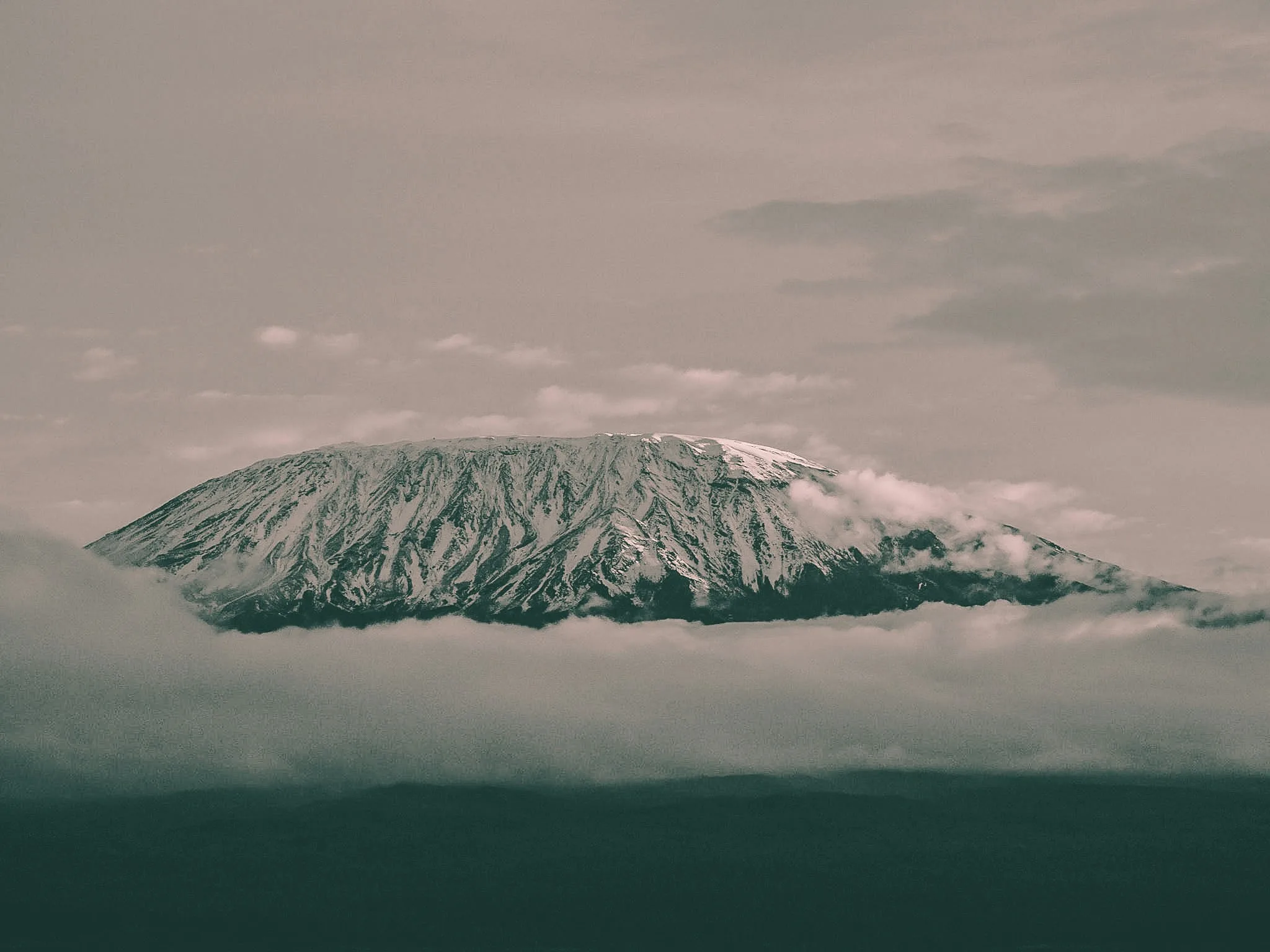
A high-altitude journey shaped with expert pacing, premium support, and the quiet confidence that every detail has been considered.
Standing at 5,895 meters, Mount Kilimanjaro is the tallest free-standing mountain in the world. Climbing this dormant volcano is a life-changing expedition across five distinct climate zones.
The Whiskey Route
A beautiful, well-paced climb with strong acclimatization and varied scenery, ideal for travelers wanting a classic Kilimanjaro ascent.
View Itinerary The Hut Route
The only route with hut accommodation, offering a more straightforward climb and a practical option in cooler or wetter conditions.
View Itinerary The Scenic Route
One of the mountain's most rewarding approaches, combining dramatic western views with excellent acclimatization over a longer rhythm.
View Itinerary The Quiet Northern Approach
A quieter climb from the north, prized for its drier conditions, gentler opening days, and a more remote mountain feel.
View Itinerary The Steep Route
A direct and demanding ascent for strong trekkers, valued for its dramatic forest approach and raw mountain atmosphere.
View Itinerary The Longest Route
The most complete circuit on Kilimanjaro, offering extra acclimatization time, quieter trails, and a more expansive mountain journey.
View ItineraryWhile Kilimanjaro requires no technical climbing skills, it is a strenuous multi-day trek at altitude. Begin focused cardio and strength preparation at least three to four months before departure.
Altitude sickness is the main reason climbers fail to reach the summit. Our itineraries are structured around gradual acclimatization and experienced guide oversight.
No. Kilimanjaro is known as a walk-up mountain, though it remains physically demanding at high altitude.
Success rates vary by route and duration. Longer routes such as Lemosho and Machame have the strongest summit success due to better acclimatization.
You will need layered clothing, quality boots, a sub-zero sleeping bag, and a comfortable daypack. Specialized gear can be rented locally if needed.
Temperatures at Uhuru Peak can drop to -20°C (-4°F) or lower with wind chill, so proper layering is essential.